Mold Restoration in Dallas, TX
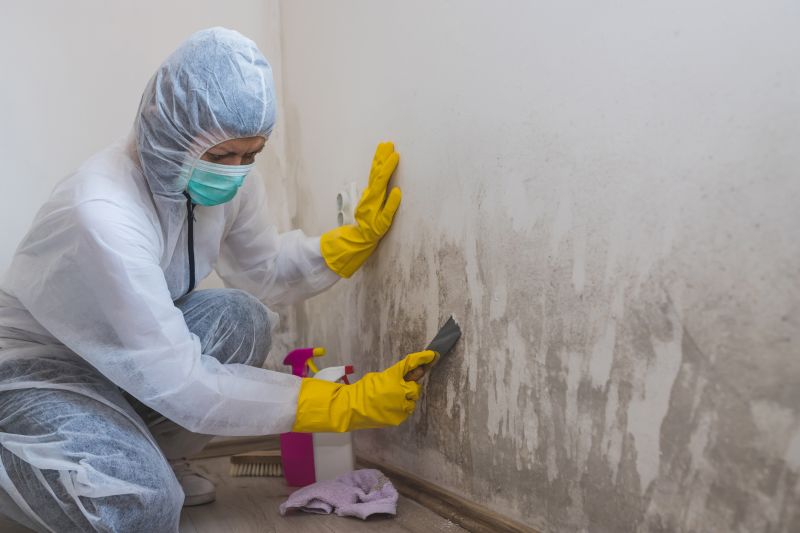
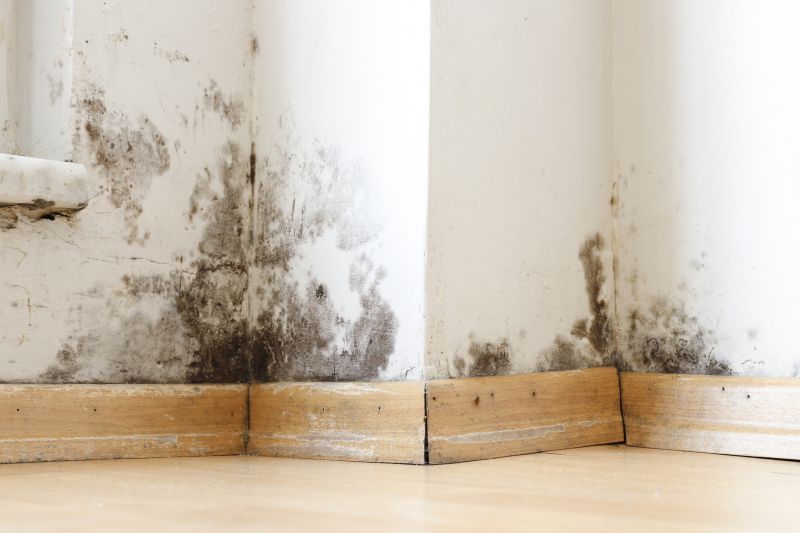
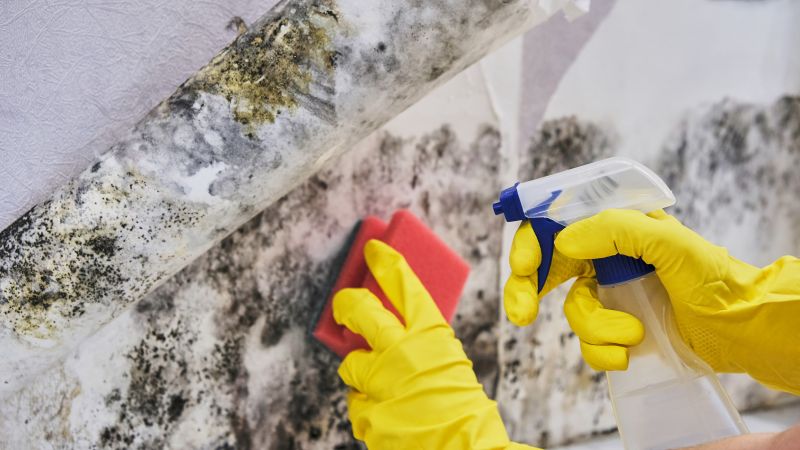
Mold restoration services focus on removing mold growth and restoring affected areas within residential properties. These projects typically involve identifying sources of moisture that promote mold development, thoroughly cleaning and removing mold colonies, and repairing or replacing materials such as drywall, insulation, or flooring that have been compromised. Homeowners often seek this service after noticing visible mold, experiencing musty odors, or dealing with health issues related to mold exposure, especially in areas with high humidity or past water damage.
Before requesting mold restoration, property owners should understand the extent of mold growth and whether it has penetrated into hidden areas such as behind walls or under flooring. It is also important to consider the source of moisture fueling the mold, as addressing this is essential to prevent future growth. Clear communication about the affected areas, the types of materials involved, and any health concerns can help ensure the restoration process effectively restores a safe and healthy living environment.
Many property owners in Dallas, TX look into Mold Restoration for repairs, replacements, upgrades, and appearance-related improvements.
Mold Damage Prevention
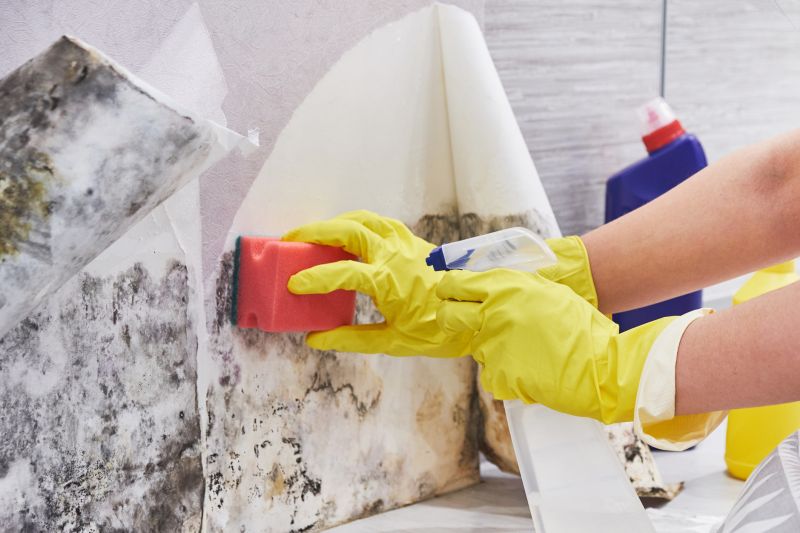
Proper removal and drying help prevent mold growth in homes across dallas.
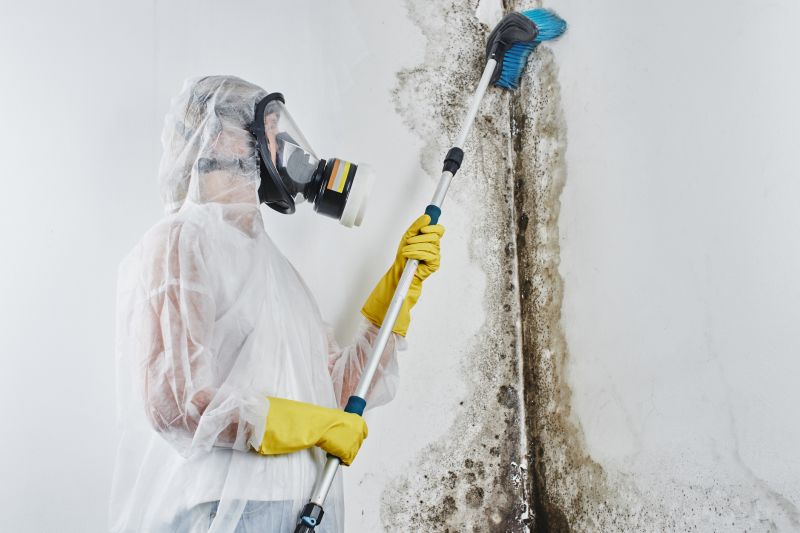
Restoration And Cleanup
Comprehensive mold restoration restores safety and comfort to affected indoor spaces.
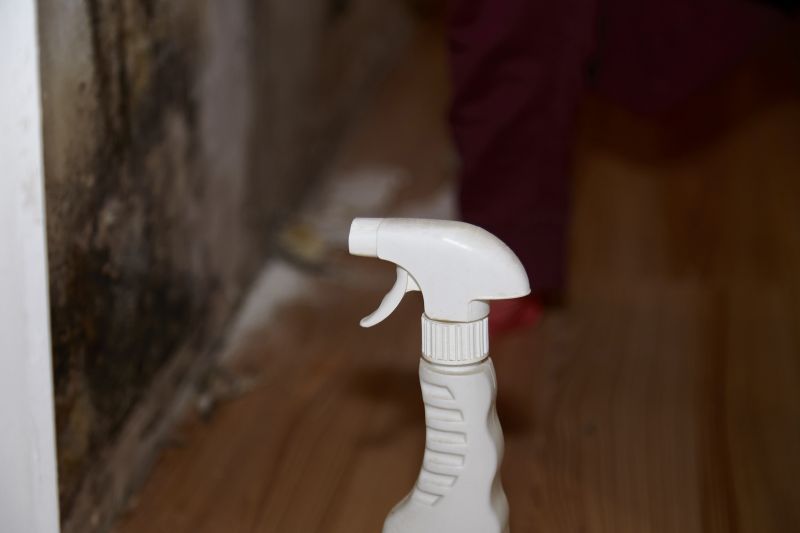
Property Safety Solutions
Addressing mold issues promptly protects property value and indoor air quality in dallas homes.
Mold Restoration in Dallas, TX
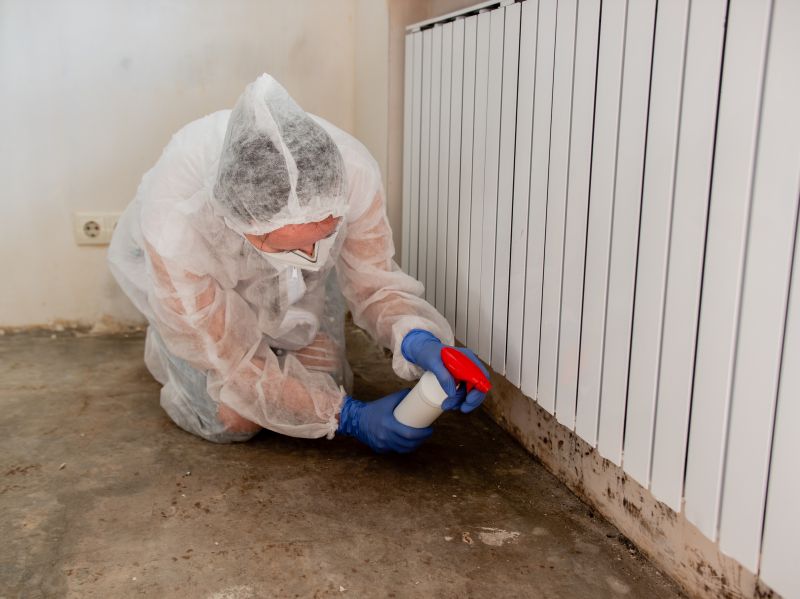
Mold restoration services focus on removing mold growth and restoring affected areas within residential properties. These projects typically involve identifying sources of moisture that promote mold development, thoroughly cleaning and removing mold colonies, and repairing or replacing materials such as drywall, insulation, or flooring that have been compromised. Homeowners often seek this service after noticing visible mold, experiencing musty odors, or dealing with health issues related to mold exposure, especially in areas with high humidity or past water damage.
Before requesting mold restoration, property owners should understand the extent of mold growth and whether it has penetrated into hidden areas such as behind walls or under flooring. It is also important to consider the source of moisture fueling the mold, as addressing this is essential to prevent future growth. Clear communication about the affected areas, the types of materials involved, and any health concerns can help ensure the restoration process effectively restores a safe and healthy living environment.
Many property owners in Dallas, TX look into Mold Restoration for repairs, replacements, upgrades, and appearance-related improvements.
Common Mold Restoration Jobs
Mold removal - comprehensive cleaning to eliminate mold growth from affected areas.
Water damage restoration - addressing moisture issues that can lead to mold development.
Attic mold cleanup - treating mold issues in attic spaces caused by leaks or poor ventilation.
Bathroom mold remediation - removing mold from showers, tubs, and bathroom walls.
Basement mold treatment - restoring mold-affected basement walls and flooring.
Air duct mold cleaning - eliminating mold spores from ventilation systems to improve indoor air quality.
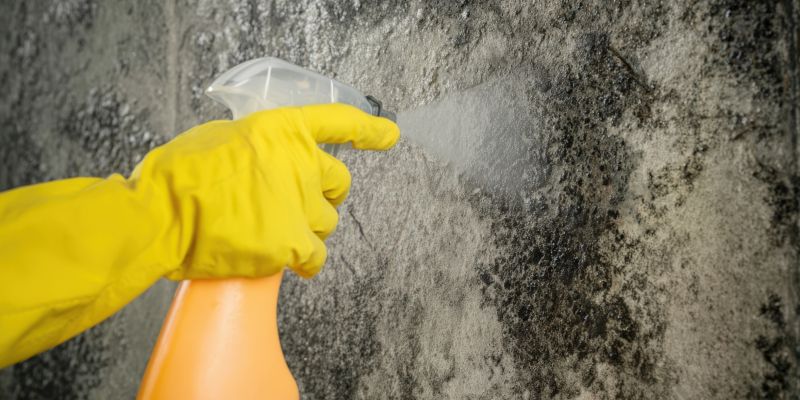
Mold Restoration Questions
What causes mold to grow indoors? Mold can develop due to excess moisture from leaks, high humidity, or poor ventilation inside a property.
How can I tell if I have a mold problem? Signs include a musty odor, visible mold growth, or water stains on walls and ceilings.
What areas are most vulnerable to mold? Common spots include bathrooms, basements, around windows, and areas with plumbing leaks.
Is mold restoration necessary for health and property preservation? Yes, removing mold helps prevent structural damage and reduces potential health risks associated with mold exposure.
Request Mold Restoration in Dallas, TX
Use the quote form on this page to share the basics of your project and request more information for the type of work you need.